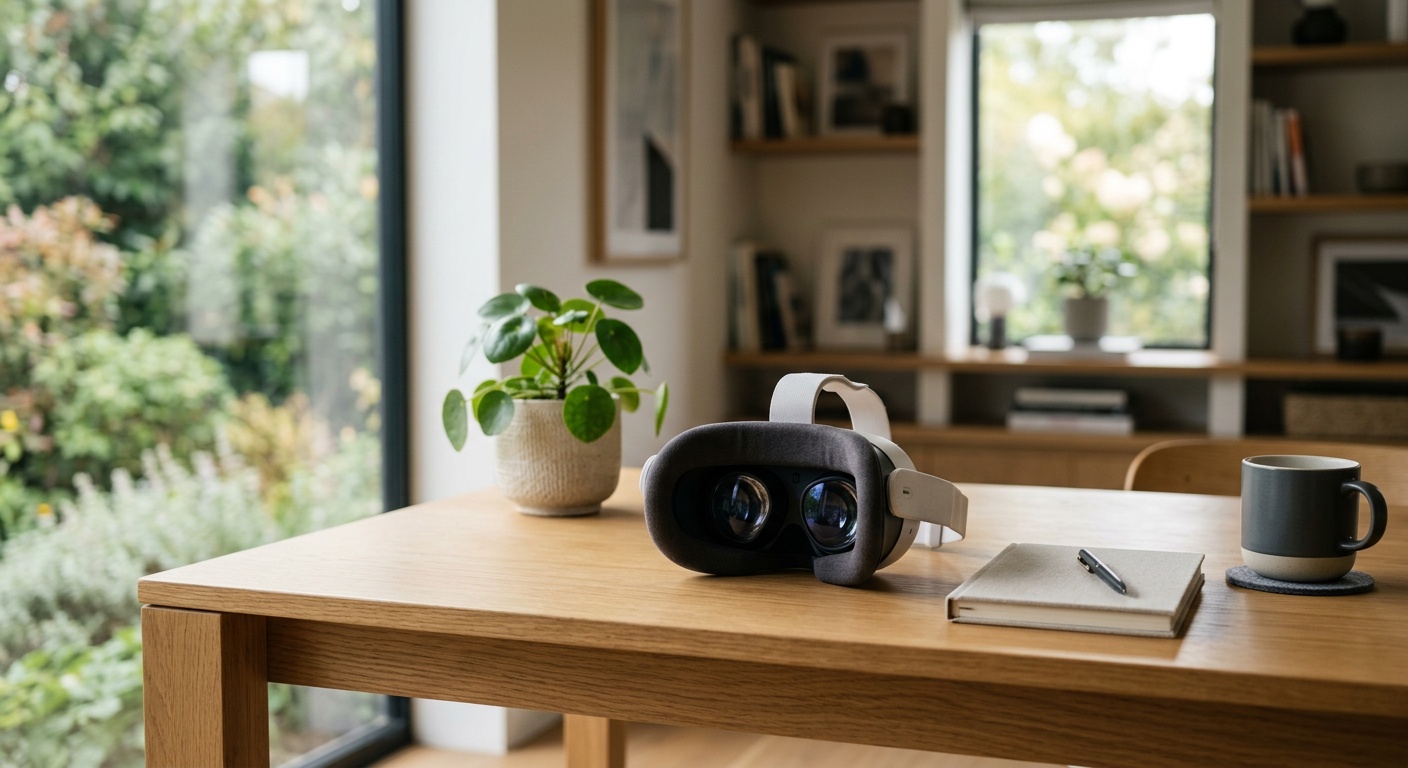
The Rise of Virtual Property Tours for International Buyers
Reading time: 8 minutes
Table of Contents
- Why Virtual Tours Became Non-Negotiable
- How the Technology Actually Works
- Real Buyer Stories From 2026
- The Challenges Nobody Talks About
- Comparing Virtual Tour Formats
- Practical Tips for Buyers and Agents
- FAQs
- Your Roadmap Forward
Ever tried to buy an apartment in Lisbon while sitting in your kitchen in Toronto at 2 a.m.? Welcome to the new normal. In 2026, international property buyers aren’t boarding flights just to peek inside a listing anymore—they’re strapping on headsets, joining live-streamed walkthroughs, and closing deals on homes they’ve never physically entered. This shift isn’t a gimmick. It’s a fundamental rewiring of how cross-border real estate gets done.
Why Virtual Tours Became Non-Negotiable
Well, here’s the straight talk: cross-border property buying used to mean multiple flights, jet lag, and a lot of guesswork. That model is dying fast. According to a 2026 industry survey by the National Association of Realtors’ international division, 68% of foreign buyers now make at least one serious purchase decision based primarily on virtual tour content, up from just 34% in 2021.
The pandemic kicked the door open, but what’s kept it open is convenience layered with genuinely better technology. Buyers today expect the same immersive experience they get scrolling through a streaming platform—except the “show” is a three-bedroom villa in Marbella or a condo in Dubai Marina.
The Economics Driving Adoption
Let’s talk numbers, because they tell the real story. Flying from Singapore to view three properties in London costs roughly $2,800 in airfare alone, not counting accommodation or lost workdays. A high-quality virtual tour package, by contrast, costs the seller or agency between $300 and $1,200 depending on property size and technology used. That asymmetry is exactly why agencies have rushed to adopt it—buyers demand it, and sellers save money by not hosting endless unqualified visits.
Quick Scenario: Imagine a buyer in Sydney interested in a beachfront property in Portugal. Instead of committing to a 24-hour flight just to “get a feel” for the place, they join a live guided tour via video call, ask the agent to open cabinets, check water pressure, and pan across the view from the balcony—all in real time. Within a week, they’ve narrowed five properties down to two finalists, without leaving their home office.
Trust as the New Currency
Trust used to be built through handshakes and in-person walk-throughs. Now it’s built through transparency in pixels. Agents who offer unedited, live virtual tours—rather than polished pre-recorded videos—tend to close deals 22% faster, according to a 2026 report from PropTech analytics firm Reonomy International. Buyers want authenticity, not a highlight reel.
How the Technology Actually Works
Virtual property tours in 2026 aren’t just a shaky phone video on WhatsApp anymore (though, let’s be honest, that still happens). The ecosystem now includes several distinct technologies working together:
- 360-degree matterport-style scans that let buyers “walk” through rooms at their own pace
- Live video walkthroughs hosted by local agents, often with real-time translation tools built in
- VR headset experiences offered at partner showrooms in major cities, simulating full-scale immersion
- AI-enhanced staging that shows a room empty, furnished, or renovated with a single click
- Drone footage for lot size, neighborhood context, and proximity to amenities
What’s changed most dramatically since 2023 is the integration of real-time translation during live tours. A buyer in Seoul can now ask questions in Korean while an agent in Athens responds in Greek, with AI captioning bridging the gap almost instantly. This single feature has quietly removed one of the biggest psychological barriers to international purchases: the fear of miscommunication on a six-figure decision.
Real Buyer Stories From 2026
Case Study 1: Maria, a healthcare consultant based in São Paulo, purchased a two-bedroom flat in Valencia, Spain, entirely through virtual tours. “I did four live video calls with the agent over two weeks,” she explains. “By the third call, I was asking him to measure the kitchen counter with a tape measure on camera. That’s when I knew I trusted the process.” She flew to Spain only for the final notary signing.
Case Study 2: A Dubai-based investment group evaluated twelve rental properties in Athens using VR headsets at a local proptech showroom before shortlisting three for physical inspection by a hired local surveyor. They estimate the approach saved them approximately $14,000 in travel and due-diligence costs across the portfolio.
Case Study 3: On the flip side, a Canadian couple purchasing a countryside home in Umbria, Italy, relied heavily on virtual tours but skipped an in-person visit entirely before closing. Post-purchase, they discovered persistent damp issues in the cellar that weren’t visible on camera. Their experience is a useful cautionary tale—virtual tours are powerful, but they’re not a substitute for at least one form of independent physical verification.
The Challenges Nobody Talks About
Challenge One: Sensory Gaps
Cameras can’t convey smell, humidity, or the subtle vibration of a nearby train line. As one Lisbon-based agent put it in a 2026 interview with PropTech Weekly: “You can film a stunning ocean view, but you can’t film the smell of damp concrete in the stairwell.” Smart buyers now pair virtual tours with a paid third-party inspection service before finalizing.
Challenge Two: Manipulated or Overly Polished Content
AI-enhanced staging is fantastic for imagination, but it’s also ripe for misuse. Some listings in 2025 and 2026 have faced backlash for showing “virtually renovated” rooms without clearly labeling them as simulations. Regulatory bodies in the EU and parts of Southeast Asia have begun requiring disclosure labels on AI-altered real estate media, but enforcement remains inconsistent.
Challenge Three: Time Zone and Language Friction
Coordinating a live tour across a 12-hour time difference is still logistically messy, even with great technology. Agencies that succeed internationally in 2026 tend to offer flexible scheduling windows and pre-recorded backup tours for buyers who can’t make live sessions work.
Comparing Virtual Tour Formats
| Format | Avg. Cost (USD) | Buyer Trust Level | Best For |
|---|---|---|---|
| Pre-recorded video | $150–$400 | Low-Medium | Initial screening |
| 360° Matterport scan | $300–$700 | Medium-High | Self-paced exploration |
| Live video walkthrough | $0–$200 | High | Detailed Q&A, negotiation stage |
| VR headset experience | $800–$1,200 | Very High | Luxury and investment properties |
| Drone + AI staging combo | $500–$900 | Medium-High | Land, new builds, renovation projects |
Buyer Confidence by Tour Format (2026 Survey Data)
Practical Tips for Buyers and Agents
Practical Roadmap for Buyers:
- Request live, unedited walkthroughs before relying on polished marketing videos.
- Hire an independent local inspector for any purchase over $150,000, regardless of tour quality.
- Ask agents to open every door, tap every wall—literally. Sound and texture reveal issues cameras miss.
- Verify AI-staged images are clearly labeled before factoring them into your decision.
- Schedule tours across two different times of day to see natural light and noise variation.
Pro Tip: The right preparation isn’t just about avoiding scams—it’s about building a due-diligence habit that scales across every future purchase, wherever in the world you’re buying.
What Smart Agencies Are Doing Differently
Top-performing agencies in 2026 no longer treat virtual tours as a marketing add-on—they’ve made it central to the sales funnel. Firms like Knight Frank International and Sotheby’s International Realty now train agents specifically in “camera-side selling,” a skill set that blends real estate knowledge with on-camera presence and translation-tool fluency. Agencies that skipped this training report noticeably lower international conversion rates.
Frequently Asked Questions
Are virtual property tours legally binding or just informational?
Virtual tours themselves carry no legal weight—they’re informational tools. The binding steps still involve contracts, notarized agreements, and often a physical inspection clause. Always ensure your purchase agreement includes contingencies for issues that weren’t visible during the virtual tour.
Can I really buy a property without ever visiting in person?
Yes, and thousands of buyers did exactly that in 2026. However, most real estate attorneys recommend at least one independent, in-person verification—either by you, a trusted representative, or a licensed local surveyor—before signing final documents.
How do I spot a misleading or manipulated virtual tour?
Look for inconsistent lighting, oddly perfect symmetry in furnished rooms, or a lack of any labeling on AI-staged images. Ask the agent directly whether any images have been digitally altered—reputable agencies will disclose this without hesitation.
Your Roadmap Forward
The rise of virtual property tours isn’t a passing trend—it’s a structural shift in how global real estate transactions happen, and by 2027 it’s expected that over 75% of international purchases will involve some form of virtual verification before an offer is made. If you’re navigating this space as a buyer, here’s your action plan:
- Start with live, interactive tours rather than passive video content whenever possible.
- Budget for an independent inspection—treat it as non-negotiable, not optional.
- Ask direct questions on camera about noise, humidity, neighbors, and maintenance history.
- Cross-check AI-enhanced visuals against unedited footage before making emotional decisions.
- Choose agencies that specialize in international buyers—their camera-side experience matters more than you’d think.
You don’t need to board a single flight to make a confident, informed property decision anymore—but you do need to be a sharper, more skeptical viewer than the buyers who came before you. So, the next time a listing lands in your inbox with a slick virtual tour attached, ask yourself: what isn’t the camera showing me? That question alone might be the smartest tool in your buying strategy.

About the Author
