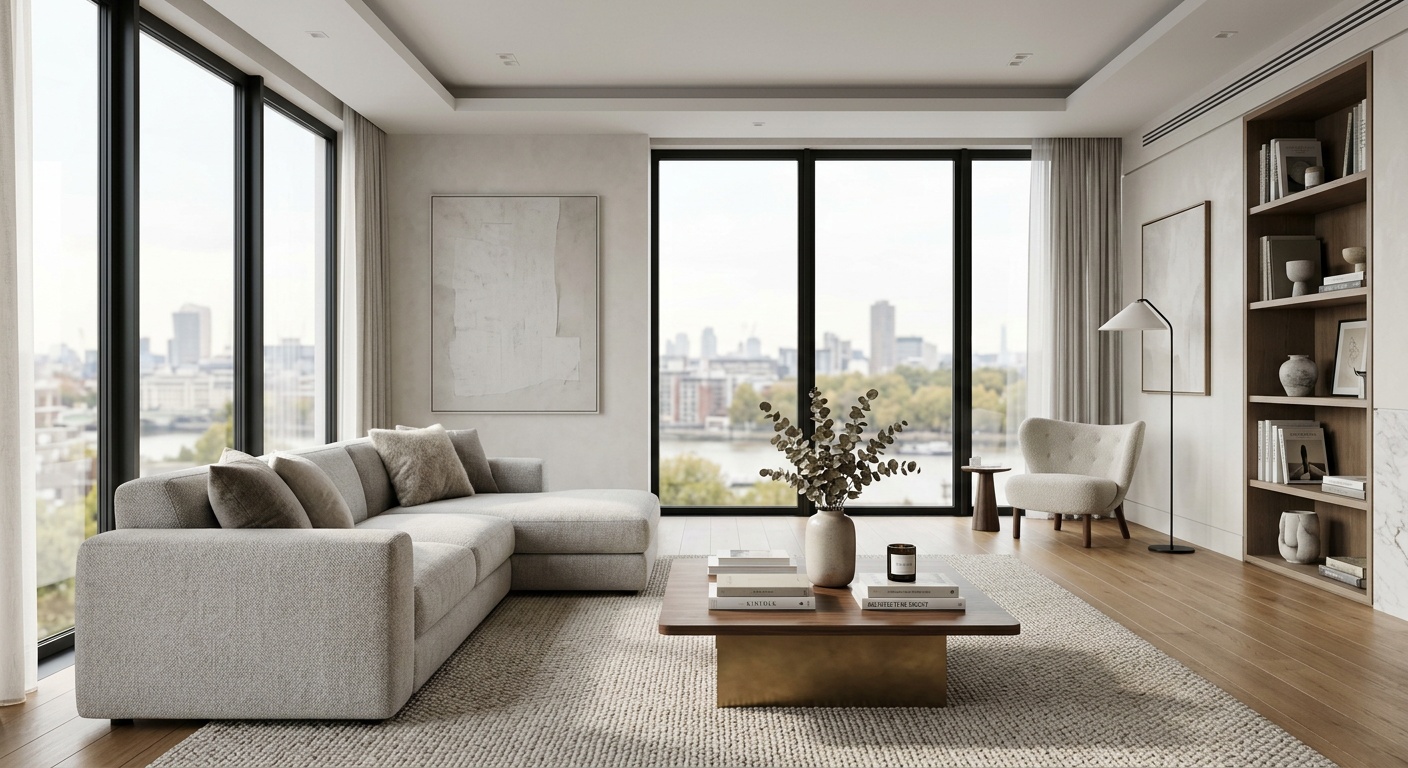
Using 3D Renders to Attract International Buyers to Athens Luxury Apartments
Reading time: 8 minutes
Table of Contents
- Why Visuals Decide the Sale Before the Flight Is Booked
- What 3D Renders Actually Are (And Why Photos Aren’t Enough)
- The Athens Luxury Market in 2026: Who’s Buying and Why
- Three Real-World Scenarios
- Renders vs. Traditional Marketing: A Side-by-Side Look
- Common Challenges and How to Solve Them
- Practical Tips for Developers and Agents
- FAQs
- Your Roadmap Forward
Why Visuals Decide the Sale Before the Flight Is Booked
Picture a buyer in Singapore, scrolling through listings at midnight, trying to imagine what a penthouse near Kolonaki actually feels like at sunset. They can’t fly over for a viewing on a whim. They can’t smell the orange blossoms on the street or feel the marble underfoot. What they can do is click through a photorealistic 3D walkthrough that shows exactly how the living room catches golden light in the evening, how the terrace frames the city skyline, and how the kitchen island would look with their own furniture style mapped onto it.
That’s the entire game now. Well, here’s the straight talk: international buyers don’t buy apartments—they buy the feeling of already living in them. And in 2026, that feeling is increasingly delivered through pixels, not brochures.
What 3D Renders Actually Are (And Why Photos Aren’t Enough)
3D renders are computer-generated visualizations built from architectural plans, allowing a property to be shown fully furnished, styled, and lit—often years before construction finishes, or instantly for renovated units that photographers can’t capture in ideal conditions. Unlike static photography, renders can simulate different times of day, seasonal light, furniture arrangements, and even the view toward landmarks like the Acropolis of Athens, which remains one of the single biggest emotional selling points for any high-rise or rooftop unit in the historic center.
Static Renders vs. Interactive Walkthroughs
Static renders are the digital equivalent of a beautifully staged photograph—useful for listings, social media, and print brochures. Interactive walkthroughs, on the other hand, let a buyer in Dubai or Los Angeles “walk” through the apartment using a mouse or VR headset, checking sightlines, ceiling heights, and room flow. Developers marketing pre-construction units in neighborhoods like Koukaki or Pangrati increasingly pair both formats, using static images for quick engagement and walkthroughs for serious buyers further down the funnel.
Furniture Styling and Cultural Customization
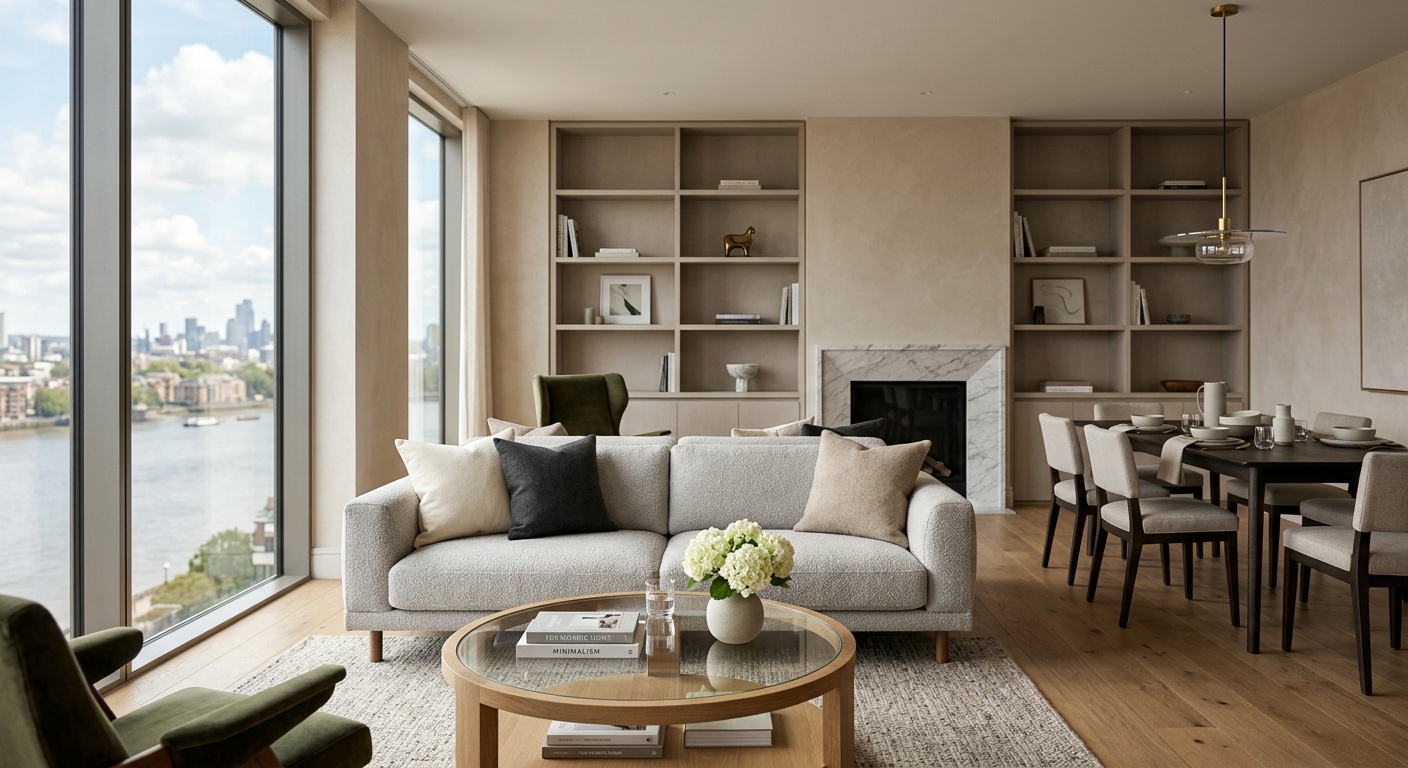
A subtler but powerful use of rendering: adjusting furniture style to match buyer nationality. A render styled with Scandinavian minimalism resonates differently with a German buyer than one styled with warm Mediterranean textures aimed at a Gulf-based investor. Agencies working with international clientele report that customizing render aesthetics to buyer origin increases inquiry rates noticeably compared to one-size-fits-all staging.
The Athens Luxury Market in 2026: Who’s Buying and Why
Athens has quietly become one of Southern Europe’s most watched luxury markets. Golden Visa-adjacent interest, favorable price-per-square-meter comparisons against Lisbon or Barcelona, and a steady rise in short-term rental yields have pulled in buyers from the UK, Germany, the US, China, and increasingly the Middle East. Prime neighborhoods—Kolonaki, Plaka, Glyfada, and the southern coastal suburbs—have seen luxury segment prices climb by double digits year-over-year in several pockets through 2025 into 2026, according to local real estate analysts tracking prime asset transactions.
Most of these buyers are transacting remotely, at least in the early stages. That single fact is why visual technology has moved from “nice to have” to “deal-breaker” in listing presentations, especially for anyone browsing luxury apartments for sale in athens greece from another continent without immediate plans to visit in person.
Three Real-World Scenarios
Scenario 1: The Off-Plan Penthouse in Koukaki
A boutique developer converting a neoclassical building into five residences had nothing to show but blueprints and a dusty construction site. By commissioning a full render package—exterior facade, interior finishes, rooftop terrace with Acropolis sightline—the developer secured two reservations from Israeli buyers within six weeks of the renders going live, months before the concrete work finished.
Scenario 2: The Renovated Riviera Villa
A seller in Glyfada had an outdated 1990s interior mid-renovation. Rather than wait three months for photography, the agency commissioned renders showing the finished result with three furniture style options. A US-based buyer, comparing options across four countries, chose the Athens villa specifically because the render made the decision-making process feel low-risk and transparent.
Scenario 3: The Slow-Moving Listing That Found New Life
An apartment near Syntagma had sat listed for eight months with only flat, poorly lit photos. After a rendering studio remade the listing with virtually staged, well-lit interior visuals, inquiry volume reportedly tripled within the first month, leading to a sale at close to asking price.
Renders vs. Traditional Marketing: A Side-by-Side Look
| Metric | Traditional Photography Only | 3D Renders + Photography |
|---|---|---|
| Average time on market (luxury segment) | 5–7 months | 2–4 months |
| International inquiry rate | Lower, often below 20% | Frequently above 45% |
| Cost per listing (production) | €300–€800 | €1,500–€4,000 |
| Pre-construction sales capability | Not possible | Fully enabled |
| Perceived transparency (buyer surveys) | Moderate | High |
Visualizing the Inquiry Rate Gap
Common Challenges and How to Solve Them
Quick Scenario: Imagine you’re a boutique agency with three luxury listings and a limited marketing budget. Where do renders actually pay for themselves?
- Challenge 1: Render quality that feels “fake.” Overly glossy, unrealistic renders can erode trust rather than build it. Solution: commission studios that use accurate material libraries and real lighting data for the specific Athens neighborhood and orientation.
- Challenge 2: Mismatched expectations on arrival. Buyers occasionally feel let down if the finished space differs from the render. Solution: pair renders with clear disclaimers and, where possible, 360° site photos showing current construction progress.
- Challenge 3: Budget constraints for smaller listings. Not every seller can afford a full render package. Solution: prioritize renders for the hero rooms—living area, terrace, master suite—rather than the entire unit.
Practical Tips for Developers and Agents
Pro Tip: The right render strategy isn’t just about pretty images—it’s about reducing the psychological distance between a buyer’s laptop screen and the actual keys in their hand.
- Commission renders early—ideally alongside architectural planning, not as an afterthought before listing.
- Offer multiple furniture styling options tailored to your target buyer demographics.
- Combine renders with drone footage of the surrounding neighborhood for context.
- Use interactive walkthroughs for serious inquiries, not just static images for browsing traffic.
- Always disclose which images are renders versus real photography to maintain trust.
FAQs
Do 3D renders actually increase the final sale price?
Not directly, but they shorten time on market and widen the buyer pool, which often leads to stronger negotiating positions for sellers rather than price cuts driven by stale listings.
How long does it take to produce a render package for an Athens apartment?
A standard package covering three to five hero spaces typically takes two to four weeks, depending on the complexity of finishes and whether architectural plans are already finalized.
Are renders only useful for off-plan or pre-construction properties?
No. Renovated resale units, poorly photographed listings, and even fully furnished apartments benefit from renders when lighting conditions, staging, or seasonal timing make traditional photography difficult.
Your Roadmap Forward
The Athens luxury market isn’t slowing down, and the buyers driving it are increasingly making six-figure decisions from thousands of kilometers away. That’s not a temporary pandemic-era habit—it’s the new normal for cross-border real estate. Here’s how to move forward:
- Audit your current listings and flag anything relying solely on flat, dated photography.
- Start with hero spaces—terraces, living rooms, and views—rather than trying to render every corner.
- Match styling to your buyer persona, whether that’s a Gulf investor, a European retiree, or a North American second-home buyer.
- Pair renders with transparent disclaimers to protect trust and long-term reputation.
- Track inquiry sources to measure whether renders are actually converting international interest into scheduled viewings.
So, what’s stopping your next listing from reaching the buyer who’s currently scrolling property sites at 2 a.m. in another time zone, ready to fall in love with a view of the Acropolis they haven’t seen in person yet?
About the Author
